What Makes a Good Corporate Event Venue in London?
February 26, 2026
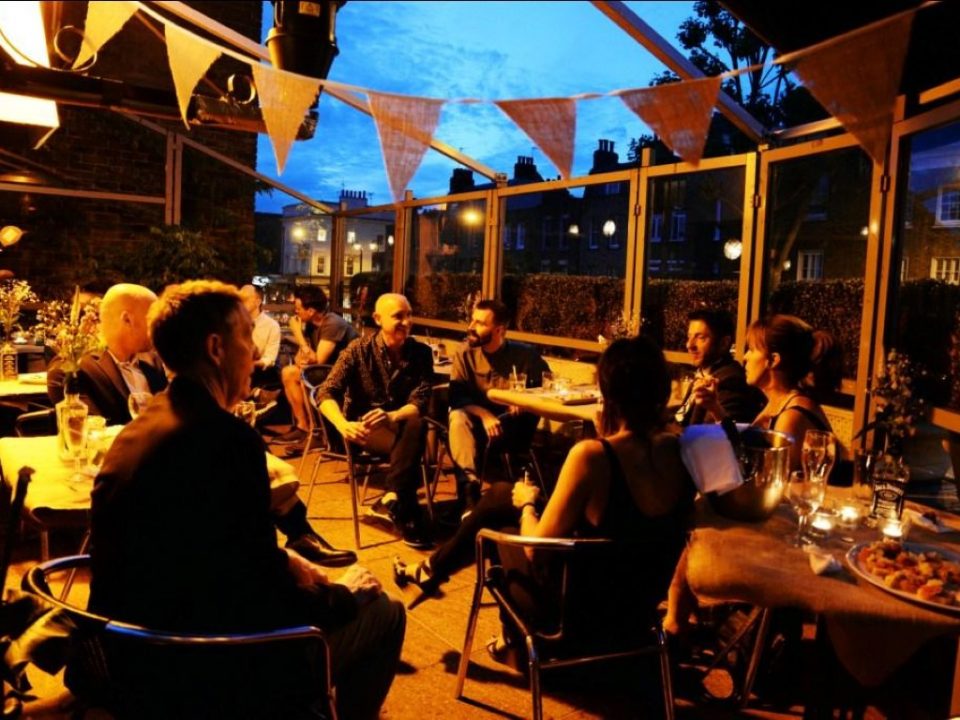
Why Semi-Outdoor Venues Are Ideal for Corporate Summer Parties
March 20, 2026
When it comes to corporate event planning, one of the first decisions organisers face is whether an event should be seated or standing. It can seem like a little technical element, but the format affects how guests interact, how the venue feels, and how effective the event is overall.
For some gatherings, it helps to provide a defined space where people can sit down for speeches, food, or presentations. Some folks do better when they can move about and talk to other people. There isn’t one format that is always best. The proper decision depends on what the event is for, how many people are coming, and what kind of experience the planners want to create. Knowing what each format does well helps make sure that the event space works with its aims instead of against them.
The Setup of Corporate Events with Seats
For a long time, seated events have been the most common choice for business meetings. They give an event a defined structure that can make it feel planned, professional, and easy to handle.
When visitors are seated, their attention naturally goes to a central point. This works especially well for events that have speeches, panel discussions, awards, or formal meals. Seating is widely used at conferences, company milestone celebrations, and awards nights since it makes it easier for planners to keep things moving.
It’s also easier to handle catering when people are seated. You can serve guests a full dinner without their having to get up and walk around the room, which can make the dining experience more professional. This can make businesses look classy and professional when they have significant clients or partners around.
However, the way sitting gatherings are set up can make it hard for people to talk to each other. Guests generally stay at their allotted tables, which can make it tougher for people to meet new people. If the main purpose of the gathering is to network or have casual conversations, a fully seated style can sometimes feel limiting.
The Social Energy of Standing Events
There is a totally distinct mood at standing events. Instead of staying in one area, guests roam around the room and talk to different groups during the event.
This structure works really well for networking events, corporate parties, product launches, and industry mixers. A standing setting makes it easier for attendees to meet and talk to each other, which makes introductions and casual conversations easier.
Another big benefit is that it saves space. Venues can fit more guests without needing big dining tables, which keeps the space open and friendly. This makes standing receptions perfect for big business events.
It also seems like the service for food and drinks is more laid-back. Instead of having sit-down dinners, the people in charge can provide canapés, sharing platters, or small snacks that let visitors talk as they eat. Bar service becomes a social hub that gets people moving around the room.
The end result is usually a more lively setting where discussions start and change throughout the course of the night.
When a Standing Event Is Most Useful
When interaction is the main goal, standing arrangements work best. The most apparent example is networking events. Guests are more likely to meet new individuals when they may move around freely instead of staying in groups they already know. Without set seating, there are no physical barriers that tables can occasionally make.
This structure is also good for seasonal and corporate parties. Guests can come and go as they like, which makes the gathering feel relaxed and open.
Standing receptions are also great for product launches and brand demonstrations. Guests can look at displays, wander around the room, and talk to presenters without having to stay in one place. In general, this structure makes things more lively and convivial.
When Seated Events Are the Best Option
Standing receptions are quite popular, but seated events are still an important part of arranging business events. A seated configuration is nearly always better for formal dinners and award presentations. Guests know where they are sitting, meals can be served quickly, and speeches can happen without being interrupted by movement or noise from the background.
People need seats at training sessions, seminars, and workshops so they can pay attention, take notes, and participate in presentations.
For longer events, seated arrangements can often be more pleasant. Not all guests like standing for hours at a time, so having seats lets them relax and get used to the event. In these circumstances, the way the event is set up serves its objective.
Mixing the Two Formats
Many successful business gatherings use both standing and seated models in different ways. For instance, a party might start with a standing drinks reception when attendees come in, get drinks, and talk to each other. This lets people get used to the event and start talking to each other in a natural way. The format may change to a seated supper or presentation later on.
Another choice is to have an event where most people stand, but there are also lounge chairs or tiny tables around the room. This gives guests freedom of movement while also giving them somewhere to sit when they need to. This mixed approach usually works best in places where the layout can be changed.
Choosing the Right Venue
The location itself is a big factor in deciding which format will work best. Open layouts are excellent for standing receptions, whereas traditional dining halls are better for seated parties. A lot of planners look for places that are flexible so that the event can change as the night goes on.
The Chapel Bar in Islington has areas that work for both types of events. For example, the Saloon is a good place for larger receptions to stand, and the lounge seating gives guests a place to relax.
The food and drink choices also affect how the experience is. Organisers can customise the food to fit the type of event. For example, they could serve lighter snacks at a standing reception or a more formal lunch. You can look at the several choices on the event food menu.
Drink bundles can make the mood even better, especially at networking events. A carefully chosen assortment of drinks helps make the space feel calm so that guests can easily socialise. You can see the drink selections for the event in the menu.
H2: Making the Right Choice
In the end, the appropriate format relies on what the event is meant to accomplish. If you want to have fun conversations, meet new people, and move around, a standing venue is frequently the best choice. Seating may be the best choice if the event is mostly about presentations, eating, or formal acknowledgement.
People who plan events that match the format with the goal of the event tend to make it more interesting and memorable. Looking at the results afterward can also help make future events better. The guide on how to measure the success of your corporate event gives you useful tips for figuring out how well things went.
Flexible rooms made for corporate parties in London function just as well for sitting and standing events. You can get in touch with the team to find out more.